


Battery energy storage has moved from pilot project to standard line item in some commercial energy plans. Facilities use it to cut demand charges, keep operating through outages, and get more value out of on-site solar. The buying process, though, looks nothing like ordering a piece of mechanical equipment. A storage system is sized against your load profile, priced against your utility tariff, and judged on how it performs on your worst days rather than your average ones.
This guide covers what a commercial battery energy storage system does, the two numbers that control the price, where the savings actually come from, and the questions worth asking before you sign anything.
What a Commercial Battery Energy Storage System Does
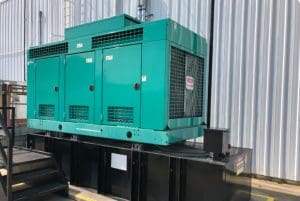
At its simplest, a battery energy storage system stores electricity on site and releases it when the facility needs it. Industry guidance describes commercial and industrial systems as designed to store excess electricity generated by renewable sources such as solar, then discharge that electricity later. The same hardware can serve several purposes at once, which is why the economics vary so widely between buildings.
The value streams that appear most often in commercial projects include:
- Reducing demand charges by discharging during peak demand periods
- Storing excess solar generation on site so it offsets utility energy costs instead of going unused
- Providing backup power, with vendors positioning systems for continuous or 24 hour backup capability
- Supporting resilience and sustainability goals for facilities under pressure to demonstrate both
Those benefits do not arrive automatically. A system sized for peak shaving may be a poor fit for outage coverage, and the reverse is also true. Deciding which value streams matter most is the first real decision in the buying process.
The Two Numbers Behind Every Quote: kW and kWh
Proposals always lead with two figures, and conflating them is the most common mistake buyers make. The kW rating describes how much power the system can deliver at any instant. The kWh rating describes how much energy it can deliver over time. A system with high kW and low kWh can shave a sharp peak for a short window. A system with lower kW and higher kWh runs longer at a gentler rate.
| Term | What it measures | What it controls |
|---|---|---|
| kW (power) | Rate of discharge at a given moment | How large a peak the system can offset |
| kWh (energy) | Total energy delivered over time | How long the system can sustain output before recharging |
Guidance on commercial systems frames sizing as a matter of how kW and kWh are matched to the load, alongside how a business evaluates peak shaving. That means the input data matters more than the brand on the enclosure. Interval meter data, typically at 15 minute or hourly resolution, shows when your peaks occur, how long they last, how often they repeat, and how much of the total bill they drive. Without that data, any sizing recommendation is a guess with a price tag attached.

Peak Shaving and Demand Charges: Where the Savings Show Up
Demand charges are the part of a commercial electric bill that storage targets most directly. Federal analysis of battery energy storage notes that onsite storage used during peak demand times can reduce end-use consumer demand charges, because demand is billed on the highest interval of usage in a billing period rather than on total consumption.
That structure creates the opening. If a facility shaves the top of its load curve, the billing demand drops, and so does the charge tied to it. Storage does this without asking the building to shut anything down, which is why it appeals to facilities where load is not discretionary. Grocery stores, hotels, manufacturing plants, and healthcare facilities generally cannot reduce load by simply turning things off during peak hours.
Two practical points deserve attention before you accept a savings projection:
- Savings depend on your specific tariff. Demand charges, ratchets, and time-of-use windows vary by utility and rate schedule, so an estimate built on someone else’s bill tells you little.
- Battery round-trip losses consume some of the energy you put in. A projection that ignores those losses will overstate net savings.
Ask the vendor to show the load profile they used, the tariff assumptions behind it, and how the projection changes if your peak shifts.
Pairing Storage With Solar PV
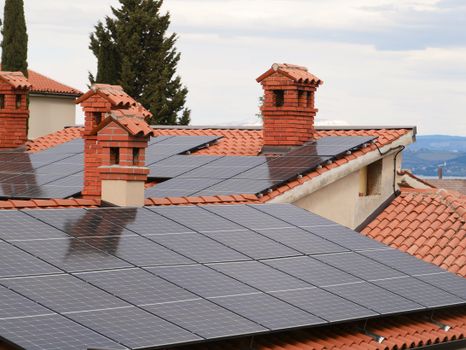
Storage and solar are frequently sold together, and the pairing is logical. Solar panels produce during the day, while many facilities peak later or draw most heavily when generation has already fallen off. Energy storage captures excess solar generation on site so it can be used later, which increases the share of solar production the facility actually consumes and reduces the electricity purchased from the utility.
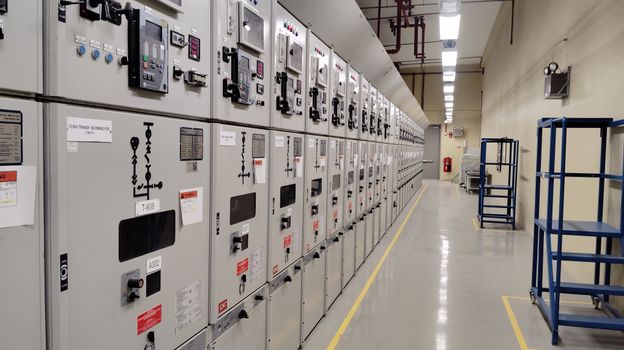
Commercial battery storage for solar PV is offered by a range of providers, and some systems carry third party certification from established manufacturers. Certification is a useful signal but not a substitute for checking how the system integrates with your existing inverters, switchgear, and metering.
If you already have solar, storage can be added later, but the interconnection and electrical design work is easier when both are planned together. If solar is not on the table, storage still works. It charges from the grid during low cost periods and discharges during expensive ones.
Resilience and Backup Power
Backup capability is often the reason a project gets approved. Storage paired with the right controls can carry critical loads through an outage, and vendors market systems that support continuous backup rather than short ride-through. The value of resilience depends on what you define as critical: refrigeration, servers, elevators, life safety systems, or an entire production line.
Defining that list early shapes the system size more than any other single input. A system built to carry a data room is a different purchase from one built to keep a full retail floor open. Ask for runtime assumptions in writing and confirm which circuits are actually backed up.
Safety, Standards, and Track Record
Storage is a maturing technology with a real incident history. The Electric Power Research Institute maintains a database that has recorded 67 incidents at battery electric storage systems, along with 10 other incidents tracked separately. That record does not make storage unsafe, but it makes vendor transparency essential.
Before signing, ask prospective vendors for fire detection and suppression details, ventilation and thermal management design, testing and certification documentation, and references from similar facilities. Confirm the installation plan against local fire code and permitting requirements with your authority having jurisdiction, since requirements differ by location and change over time. Verify performance and safety claims against documentation rather than marketing material.
Funding Storage Without Upfront Capital
Capital cost remains the biggest barrier for mid-size commercial facilities. Energy Savings as a Service addresses that by covering the upgrade with no upfront capital and no new debt, then tying payments to verified energy savings. Onsite Utility Services Capital delivers turnkey energy efficiency upgrades under this model, including lighting, HVAC, power optimization, and related measures alongside storage projects, with full maintenance included.
For a facility manager evaluating storage, that structure changes the internal conversation. The question shifts from how to fund a capital purchase to whether projected savings cover the service payment, which is a comparison a finance team can actually evaluate.
Questions to Ask Before You Sign
A short list separates a well built proposal from a polished one:
- Which load profile and tariff assumptions drive the savings projection?
- Is the system sized for peak shaving, backup, solar self-consumption, or a mix, and how does that affect performance?
- What is the round trip efficiency, and is it reflected in the numbers?
- Who handles maintenance, monitoring, and replacement over the life of the agreement?
- What safety testing and certification documentation is available?
- What happens if actual savings fall short of the projection?
Get answers in writing. Storage decisions are long term, and the proposal language is what governs the relationship after commissioning.
Frequently Asked Questions
Does a commercial battery system need solar panels?
No. Storage can operate as a standalone asset that charges from the grid during low cost periods and discharges during expensive ones. It can also be paired with solar PV to capture excess generation for later use. The right configuration depends on your load profile, your tariff structure, and whether on-site generation already exists.
What is peak shaving?
Peak shaving is discharging a battery during the periods when a facility’s electricity demand is highest, which lowers the peak interval recorded by the utility meter. Since demand charges are based on that peak rather than on total consumption, reducing it can lower the monthly bill without shutting down any building operations.
How do I know what size system my facility needs?
Sizing starts with interval meter data, ideally at 15 minute or hourly resolution, to establish when peaks occur and how long they last. From there, kW capacity is matched to the size of the peak you want to offset, while kWh capacity determines how long the system can sustain that output.
Are battery storage systems safe to install at a commercial building?
Storage systems are engineered with multiple safety layers, and incident tracking exists through the Electric Power Research Institute, which maintains a database of 67 recorded incidents at battery electric storage systems plus 10 others. Buyers should review fire detection and suppression design, thermal management, and testing documentation, and confirm requirements with their local authority having jurisdiction.
Can battery storage be financed without upfront capital?
Yes. Energy Savings as a Service funding covers turnkey efficiency upgrades with no upfront capital and no new debt, with payments tied to verified savings and maintenance included. That structure lets a facility compare projected savings against the service payment instead of funding a capital purchase.