
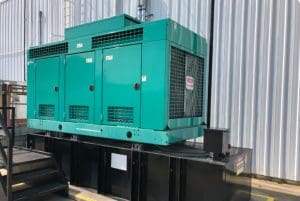


The chiller didn’t fail in July. It failed three years earlier, when redundancy got cut from the capital plan. That’s the part nobody writes in the post-mortem.
The pattern is remarkably consistent across commercial buildings, schools, hospitals, and manufacturing plants. The data was there. The risk was understood. The facilities team documented it, submitted it, presented it. And then they waited — while the request cycled through approvals that were designed for a different era. What I want to make plain here is this: the budget process itself is the failure mode. And there’s a financing structure that removes it from the budget equation entirely.
The Approval Cycle Rewards Deferral — Every Time
Here’s the uncomfortable truth: your budget process isn’t broken. It’s working exactly as designed. The problem is what it’s designed to do.
Capital logic and engineering logic are in direct conflict inside almost every commercial building. Engineering says replace the chiller that’s showing stress before summer. Capital says there’s no approved line item, so submit a request for next fiscal year. Capital wins — every time — until the chiller fails at 2 a.m. on the hottest week of July.
And the crisis version of that story is always more expensive. The difference between a planned HVAC replacement and an emergency replacement is not just scheduling — it’s 25–45% more in total project cost when procurement is reactive. You’re not choosing between spending and not spending. You’re choosing between spending now on your terms, or spending significantly more later on the vendor’s terms.
The scenario plays out the same way every time: scattered invoices across three cost codes, an emergency vendor with no competitive bid, and a temporary rental unit running for twelve months while the permanent equipment sits on backorder. What costs $1 today could cost $4–$5 to fix two years later, and deferred maintenance costs typically compound at 7% per year.
The cruelest part? The approval cycle that caused the crisis feels validated by it. “We got through it” replaces “we should have planned better.” And next year’s budget looks the same as last year’s.
Deferred Maintenance Isn’t Conservative — It’s Just Expensive Later
Let’s call deferred maintenance what it actually is: cost-shifting. You’re not saving money. You’re moving the bill to a moment when you have the least leverage to negotiate it.
The consensus says annual budgets are real constraints — and that’s true. Finance teams aren’t negligent. They’re doing exactly what they’re supposed to do: protecting capital, managing risk across competing priorities, following process. I don’t have a problem with the people. I have a problem with what the structure produces.
Here’s what the structure produces: a chiller that everyone in the mechanical room knew was stressed gets deferred through two budget cycles. Then it fails in July, during peak load, at 2 a.m. on a Saturday. Now you’re not making a capital decision — you’re making a crisis decision. And crisis decisions cost more. After-hours, weekend, and peak-summer calls often run 50–100% higher, and expedited parts shipping can spike the invoice before you’ve even talked to a contractor. You’ve also lost any real ability to compare options, get competitive bids, or right-size the replacement. You’re just buying whatever’s available, fast.
In worst-case scenarios, emergency situations reveal that a system is beyond repair, forcing immediate replacement during peak demand periods when pricing is highest — and the same repairs performed during regular business hours typically cost 40–60% less. That gap is the real cost of deferral. It doesn’t show up in the line item that got cut. It shows up two years later in an emergency PO that nobody planned for.
The strongest counterargument is fair: budgets aren’t infinite, and triage is real. Sometimes deferral is the only responsible call given competing capital needs. I’ll hold that. But the outcome is still the same regardless of intent — the building absorbs the difference, and it always costs more than prevention would have.
Change the Structure, Change the Outcome
The contrarian thesis is this: the budget process isn’t the real problem — the ownership structure is. Fix who carries the performance obligation, and the incentives realign on their own.
Here’s what changes under Energy-as-a-Service. We supply the equipment. We maintain it for the life of the agreement. That means deferral isn’t a budget option we get to choose — it’s a liability we’re eating. When a chiller starts showing stress in the interval data, we replace it because our obligation is on the line, not yours. Replacements get planned when the data says so, not when the equipment finally quits at 2 a.m.
The consensus says you need capital to solve this. You don’t. Reactive and deferred HVAC programs cost 3x more than proactive programs over a ten-year period when all cost categories are included. That gap funds the service fee many times over. Deferred maintenance costs compound at 7% per year — so every quarter you wait, the math gets worse, not better.
The strongest counterargument: “We lose control of our own equipment.” Fair concern. But what control do you actually have when the chiller fails and you’re negotiating an emergency replacement on a vendor’s timeline?
If you’re sitting on a deferred upgrade list right now, here’s the only question worth asking: who benefits if that decision gets pushed another year? If it’s not you, the structure needs to change.