


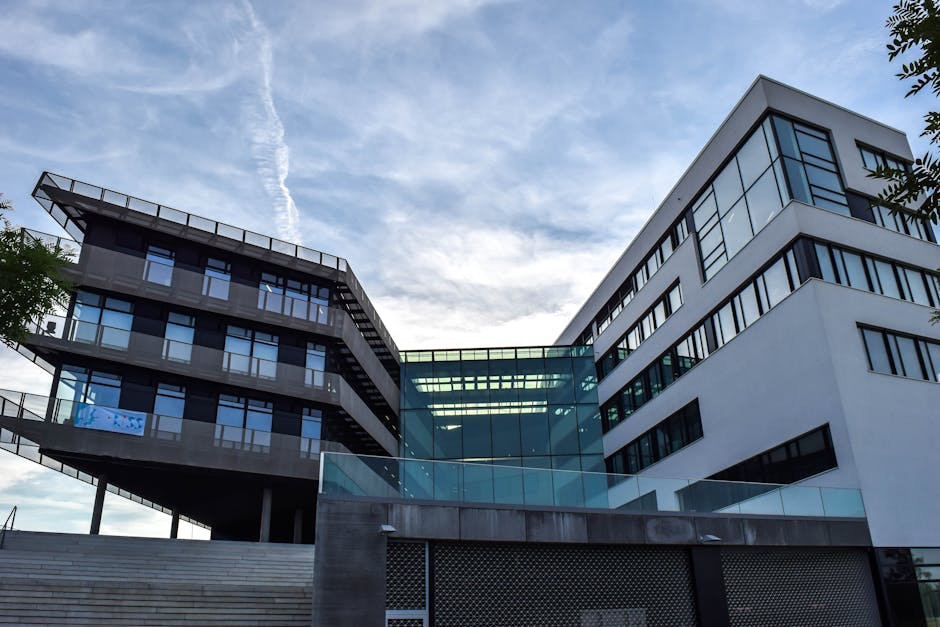
Commercial buildings rely on huge amounts of electricity and natural gas to keep occupants comfortable and operations running. In 2018, electricity accounted for 60% of total energy use in U.S. commercial buildings, and natural gas supplied another 34%. All of that energy flows into space heating, cooling, ventilation, water heating, refrigeration, lighting, and cooking.
But a meaningful share of that energy never does useful work. The U.S. Environmental Protection Agency estimates that 30% of the energy used in commercial buildings is wasted on average. For facility managers and building owners, energy wasters show up directly in operating costs and carbon emissions. Energy efficiency reduces both by optimizing systems and automating maintenance across portfolios.
The Main Energy Wasters in Commercial Buildings
Some end uses waste more energy than others because they use the most energy in the first place. When systems run too long, operate at the wrong setpoint, or go without maintenance, waste adds up quickly. The biggest energy wasters in most buildings are the systems that heat, cool, and ventilate the space.
Electricity plays the dominant role in commercial building energy use, so equipment that depends on fans, pumps, compressors, and lighting deserves close attention. Natural gas also carries a large share of the load, mostly through space heating and water heating equipment.
Space Heating Is the Largest Single Energy Waster
Space heating is the largest energy user in most commercial buildings, accounting for about 32% of total energy consumption. Because heating represents such a large share, it is also the biggest opportunity for waste. Common problems include heat rising into unused zones, boilers and furnaces running during unoccupied hours, thermostats set higher than needed, and drafty windows, doors, or ductwork that force the system to work harder.
Ventilation Systems That Run Overtime
Ventilation is another major load in commercial buildings. Fans push air through ducts to satisfy fresh air needs, but many systems run around the clock even when areas are empty. Clogged filters, malfunctioning dampers, and controls that are out of sync with occupancy schedules also force fans to move air longer than necessary. Each hour of unnecessary fan operation consumes electricity without improving comfort or indoor air quality.
Cooling Systems
Cooling is one of the main sources of energy consumption in commercial buildings. Waste often comes from cooling spaces that no one is using, thermostat setpoints that are too low, and equipment that cycles during mild weather when windows and natural airflow could handle the load. Solar heat gain through windows and poor insulation make cooling systems work harder as well, pushing energy use higher during peak hours.
Lighting and Outdated Fixtures
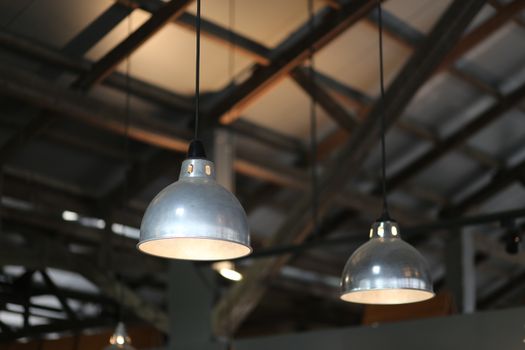
Lighting is also among the main energy consumers in commercial buildings. Lights left on overnight, in storage rooms, and in unoccupied meeting spaces waste energy that could be avoided with simple schedule controls. Replacing inefficient lighting remains one of the most direct fixes available because lighting upgrades reduce both energy use and the heat that fixtures add to a space.
Water Heating, Refrigeration, and Cooking
The main sources of energy consumption in commercial buildings also include water heating, refrigeration, and cooking. In restaurants, hotels, grocery stores, and mixed-use facilities, these end uses become large contributors. Refrigeration units that run with worn door seals, water heaters set too high, and cooking equipment left on during slow periods all add unnecessary energy demand.
How to Identify Energy Waste in a Commercial Building
Finding the energy wasters in commercial buildings starts with a closer look at how each system is actually operating. Facility teams often discover that the biggest savings come from correcting simple issues rather than replacing entire systems.
- Review utility bills and benchmark consumption against past performance. Tracking energy use over time helps reveal sudden increases that point to equipment problems.
- Walk through the building during occupied and unoccupied hours. Note which lights, fans, and machines are still running when areas are empty.
- Check scheduling and setpoints for heating, cooling, and ventilation equipment. Systems that follow occupancy patterns use far less energy.
- Inspect and maintain equipment on a regular rhythm. Leaky valves, clogged filters, and slipping belts force systems to work harder and waste energy.
- Look for comfort complaints. A space that is too hot or too cold often indicates an underlying energy problem.
An energy plan based on measured data helps owners compare facilities, set priorities, and track results. Building teams can combine that information with observations from the floor, such as equipment left running in empty areas, to locate waste before it becomes a regular part of operation.
How to Fix the Most Common Energy Wasters
The most effective fix for each common energy waster depends on the equipment, the building type, and the way the space is used. Still, several steps deliver reliable results across most commercial facilities.
Bring Space Heating Under Control
Because space heating represents about 32% of total energy consumption in most commercial buildings, it deserves the most attention. Set heating schedules to match occupancy, reduce temperatures during unoccupied overnight hours, and make sure doors and loading docks stay closed. Regular maintenance of boilers, furnaces, and associated pumps keeps combustion and distribution working efficiently.
Align Ventilation With Occupancy
Ventilation fans should run when people need fresh air, not around the clock. Pairing fan operation with occupancy schedules and adjusting dampers prevents wasted runtime. Clean or replace filters on schedule because airflow resistance increases the energy needed to push air through the system. Well maintained ventilation also supports clean and comfortable indoor environments.
Replace Inefficient Lighting
Upgrading inefficient lighting is a proven first step for reducing energy consumption. Newer lighting technology uses less electricity for the same amount of light and produces less heat, which can reduce cooling loads at the same time. Add controls so lights switch off in unoccupied rooms or when daylight provides enough illumination.
Optimize Cooling, Water Heating, and Refrigeration
Cooling, water heating, and refrigeration should all follow the same logic: right size, right schedule, right setpoint. Raise cooling setpoints when spaces are empty, lower water heater temperatures to levels that still meet demand, and keep refrigeration coils clean and door seals tight. These small adjustments reduce energy use on each of the main sources of consumption.
Use Automation and Benchmarking to Keep Waste From Coming Back
Efficiency improvements tend to drift without a way to track performance. Optimizing systems and automating maintenance across portfolios keeps savings consistent. Benchmarking gives facility managers a clear view of which properties are performing well and which ones are slipping back into wasteful patterns.
Make Efficiency Upgrades Affordable With Flexible Funding
Many commercial building owners recognize energy wasters but postpone fixes because of tight capital budgets. A different approach removes that barrier. Energy Savings as a Service (ESaaS) provides comprehensive energy efficiency upgrades with zero upfront capital and no new debt, with full maintenance included. Payments are tied to verified energy savings, which reduces the financial risk often associated with large retrofit projects. This model allows facility owners to cut operating costs and carbon emissions today while paying for improvements from the savings they actually realize. Facility leaders who want to avoid the upfront cost barrier can evaluate energy efficiency programs structured around verified savings.

Frequently Asked Questions
These are the questions facility managers and property owners most often ask when they begin reviewing energy use in commercial buildings.
What Is the Biggest Energy Waster in Commercial Buildings?
Space heating is the largest energy user in most commercial buildings, accounting for about 32% of total energy consumption. Because it represents such a large share of overall usage, space heating also creates the biggest opportunity for waste. Poor schedules, overheating, drafts, and lack of maintenance all add to the amount of energy a heating system consumes.
What Are the Main Sources of Energy Use in Commercial Buildings?
The main sources of energy consumption in commercial buildings include space heating, cooling, ventilation, water heating, refrigeration, lighting, and cooking. Combined, electricity and natural gas make up the vast majority of total energy use in U.S. commercial buildings. Electricity accounted for 60% of total energy use in 2018, while natural gas provided 34%.
How Much Energy Does a Commercial Building Waste?
The U.S. Environmental Protection Agency estimates that 30% of the energy used in commercial buildings is wasted on average. That wasted energy raises operating costs and produces unnecessary carbon emissions. Identifying the worst performing systems and correcting scheduling, setpoint, and maintenance issues can reduce that waste without requiring occupants to change their habits.
What Is Energy Savings as a Service?
Energy Savings as a Service (ESaaS) is a turnkey funding model for commercial energy efficiency upgrades. The model delivers the improvements without upfront capital or added debt, and it includes installation, ongoing maintenance, and performance tracking. Payments are tied to verified project savings, so the building owner reduces financial risk while lowering operating costs.
Which Systems Should Be Fixed First?
Space heating deserves the earliest attention because it accounts for about 32% of total energy consumption in most commercial buildings. Correcting schedules, reducing temperatures in unoccupied areas, and maintaining boilers or furnaces can prevent waste. Replacing inefficient lighting and aligning ventilation with occupancy are the next most practical steps.