


A grocery store is not just a retail space. It is a facility that runs on electricity nearly around the clock, from open freezer cases at the front of the store to the refrigeration and HVAC equipment in the back. Energy is one of the largest operating expenses a supermarket carries, and unlike labor or product costs, it can be reduced without changing how the store serves customers.
The challenge for most grocery operators is not finding efficiency opportunities. It is paying for them. Energy Savings as a Service, or ESaaS, addresses that problem directly. Onsite Utility Services Capital delivers turnkey energy efficiency upgrades with zero upfront capital, no new debt, and full maintenance included, and payments are tied to verified energy savings. For grocery owners and facility managers, that structure can mean the difference between approving a project and delaying it for another budget cycle.
What Drives Energy Use in a Grocery Store
Supermarkets combine several energy-hungry systems under one roof. Refrigeration runs continuously, HVAC must keep the space comfortable for long operating hours, and lighting needs to make products look their best. That combination makes grocery buildings different from most other commercial spaces.
A study published in Energy Reports in 2025 presented a detailed analysis of supermarket energy consumption, using field measurement and parametric analysis to map where the energy goes. The same research examined a supermarket of roughly 6,780 square meters near Stockholm, where integrated technologies such as a CO2 refrigeration cycle with heat recovery were part of the efficiency picture. That systems view matters because refrigeration, HVAC, and lighting interact. Changing one without considering the others can leave savings unrealized.
Retrofit Results From Real Grocery Stores
Documented grocery store projects show the savings potential of efficiency upgrades.
Hannaford Supermarket and Pharmacy saved $25,530 per year after installing energy-efficient light fixtures, while maintaining the store environment shoppers expect. Lighting retrofits are a strong first move in grocery stores because efficient fixtures also add less heat to refrigerated spaces.
A separate case study in Santa Monica, California, examined energy-efficient lighting and refrigeration retrofits in a small grocery store. That study is useful for smaller operators who face the same utility load as large supermarkets but have fewer internal resources to manage a complex project.
Larger stores can benefit from deeper analysis as well. An assessment of a 7,500-square-meter supermarket in France identified average savings of about €95,000 per year. In that case, the gains came from understanding how the store’s systems consumed energy, not from a single equipment swap.
Portfolio-level stores see the same value. A CIBSE case study on an advanced energy-efficient supermarket for Tesco described how analytical tools identify hotspots and long-term trends, letting the company target its energy-saving efforts where they matter most. Across all these examples, measurement separates real savings from guesswork.
Benchmarking Is the First Step
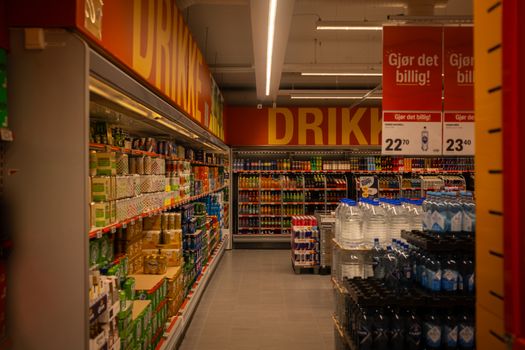
ENERGY STAR guidance for grocery stores is clear: the first step is to benchmark, which means measuring and comparing energy use against similar buildings, past consumption, or another reference point. A store that cannot measure its baseline cannot verify that an upgrade actually saved energy.
Benchmarking matters even more when payments are tied to verified savings, as they are in the ESaaS model. Onsite Utility Services Capital includes benchmarking and fractional energy management in its service set, giving grocery operators ongoing performance tracking without the cost of a full-time energy manager.
How Energy Savings as a Service Changes the Math
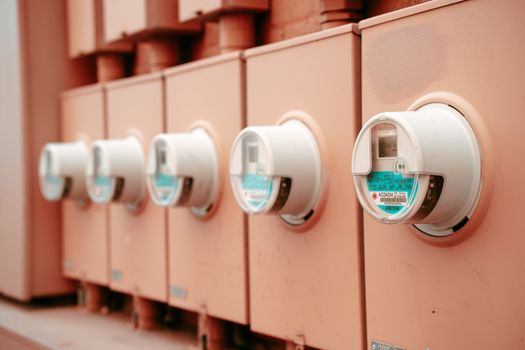
The efficiency projects described above all share one obstacle: they require money and staff time before the savings arrive. A grocery chain may agree that a lighting retrofit makes sense and still defer it because capital is committed elsewhere. ESaaS removes that barrier.
Under the ESaaS model, the provider finances, installs, and maintains the upgrades. The grocery store makes no upfront capital payment and takes on no new debt. Instead, it pays from the energy savings the project generates over time. Because maintenance is included, the store does not need to build expertise in the new equipment. That makes efficiency possible for stores that want lower operating costs without financial risk.
Utility efficiency programs can support these projects too. In Massachusetts, the Sponsors of Mass Save offer financial incentives to help businesses make energy efficiency projects a reality in the grocery sector. If combined with ESaaS, such incentives can strengthen the project economics, although store operators should verify program terms with the program administrators directly.
Building a Grocery Efficiency Project With ESaaS
A well-structured grocery project can cover multiple systems, with each measure measured against the store’s baseline. The most relevant upgrade categories for supermarkets include:
- Lighting upgrades that reduce electricity use and lower the heat load on refrigeration.
- HVAC improvements that match heating and cooling to actual store usage patterns.
- Power optimization, including voltage optimization and variable frequency drives, to help motors run efficiently under partial loads.
- Refrigeration system measures that target the largest energy load in a grocery store.
- Water conservation, which lowers water and sewer expenses that stores often overlook.
- Clean indoor air improvements that support comfort, health, and overall building performance.
- Solar generation to offset the electricity that refrigeration and lighting consume during the day.
Not every store needs every measure. Benchmarking identifies the right starting point, and the ESaaS model lets the store act on those findings without waiting for a capital budget cycle. The same pattern shows up beyond the supermarket sector: VEIC helped a northeast grocery chain meet its goals for an efficient, lower-carbon operation on a budget for its newest location, proving that financial constraints do not have to block meaningful results.

Frequently Asked Questions
Here are answers to common questions about ESaaS for grocery store owners and facility managers.
What is Energy Savings as a Service for a grocery store?
Energy Savings as a Service, or ESaaS, is a funding and service model in which a provider designs, installs, and maintains energy efficiency upgrades with no upfront capital and no new debt for the store. The store makes payments tied to verified energy savings, reducing financial risk while still lowering operating costs. Onsite Utility Services Capital offers this model to commercial, institutional, and municipal facilities.
Which grocery store upgrades deliver the largest savings?
High-impact categories include efficient lighting, HVAC improvements, power optimization with variable frequency drives, refrigeration system measures, water conservation, clean indoor air systems, and solar generation. The best mix depends on the individual store, so benchmarking comes first. Real projects, such as the Hannaford lighting retrofit, demonstrate that a single well-chosen upgrade can cut annual costs by tens of thousands of dollars.
How does a grocery store pay if there is no upfront capital?
With ESaaS, the provider covers the project cost and is repaid over time from the verified savings the upgrades create. The store avoids a large capital outlay and does not add debt to its balance sheet. Maintenance is included in the arrangement, which also protects the store from unexpected repair expenses after installation.
Can a small grocery store use ESaaS?
Yes. Efficiency retrofits have been studied in small grocery stores as well as large supermarkets, including a Santa Monica case study focused on lighting and refrigeration in a small store. ESaaS is suited to commercial facilities that want to reduce costs without capital risk, and the model can be structured around the scale of a single location or a chain.
Grocery stores have one of the clearest paths to meaningful energy savings of any commercial building type. Documented results for lighting, refrigeration, and data-driven analysis show that the savings are real, and the first step is always benchmarking. Energy Savings as a Service gives operators a way to act on those opportunities without upfront capital or new debt. For a grocery business ready to reduce energy costs, the next move is to establish a baseline and explore a turnkey efficiency program built around verified results.