


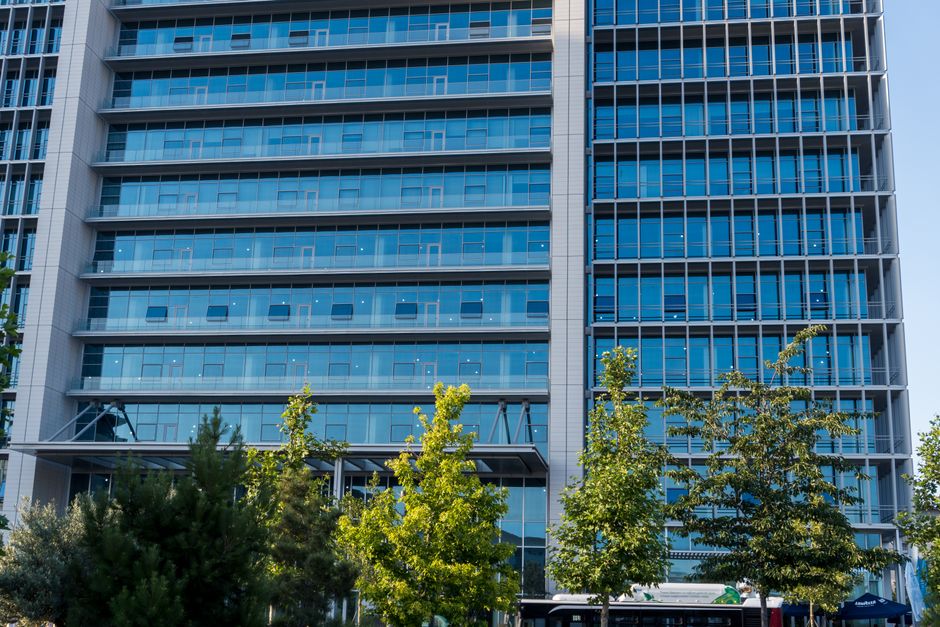
Retrofitting for energy efficiency in your building is one of the most practical ways to reduce long-term operating costs. For commercial, institutional, and municipal facilities, the technology options are proven and widely available. The real obstacle is often financial. Upfront capital, new debt, and maintenance responsibilities can stall projects that would otherwise pay for themselves through lower utility bills. This article explains what retrofitting involves, why it matters for older buildings, and how a service-based funding model can remove the capital barrier entirely.
What is retrofitting for energy efficiency?
An energy efficiency retrofit replaces outdated systems in a building with newer, more efficient technology. In older buildings, the original HVAC systems, lighting, insulation, and water fixtures were typically designed to much lower standards than what is available today. Retrofitting closes that gap by upgrading the existing equipment.
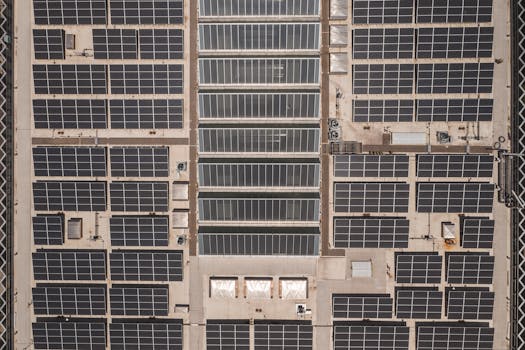
It can also involve adding new products and technology to save energy. Common additions include insulation in walls, attics, and floors, energy-efficient LED lightbulbs, replacement heating and cooling systems, low-flow showerheads, toilets, and faucets, solar panels, and smart thermostats and connected devices that turn off heating and cooling when spaces are not in use. The goal is straightforward: use less energy while maintaining or improving comfort and service. A well-executed retrofit cuts costs, saves energy, and boosts the value of the building.
Why older buildings need retrofitting for energy efficiency
Older buildings were not constructed to meet modern efficiency expectations. As a result, they tend to consume more energy than necessary, which drives up utility and maintenance costs. Energy efficiency retrofits can reduce operational costs, particularly in older buildings, and they also help attract tenants.
Retrofitting for energy efficiency in older buildings does more than reduce energy consumption. It extends their usability, lowers operational costs, and supports environmental goals. Retrofitting can also modernize buildings for long-term resilience by bringing them up to date with modern equipment, control systems, and smart technology. For the broader building stock, retrofitting existing structures is a critical path to reducing overall energy consumption.
Common measures in retrofitting for energy efficiency
The table below summarizes the most common retrofit measures and how they help.
Retrofit Measure | How It Helps |
|---|---|
Insulation in walls, attics, and floors | Improves heating and cooling performance |
LED lighting | Reduces lighting energy use |
High-efficiency HVAC replacement | Lowers heating and cooling consumption |
Low-flow showerheads, toilets, and faucets | Reduces water and sewer usage |
Solar panels | Generates on-site renewable energy |
Smart thermostats and connected devices | Shuts off systems when spaces are unoccupied |
The right mix of measures depends on the building type, its age, and its current systems. A grocery store, a hotel, a manufacturing plant, a school, and a hospital each have different energy profiles. That is why an assessment of the building is a natural first step before any retrofitting for energy efficiency begins.
The benefits of deep retrofitting for energy efficiency
Deep energy retrofits go beyond simple component replacements. They involve an extensive overhaul of a building’s systems and can save up to 60 percent in energy costs. Beyond the utility bill, a deep retrofit reduces maintenance bills and improves indoor air quality.
These improvements make the building more comfortable for occupants, more attractive to tenants or future buyers, and can increase resale value. Research on retrofit strategies confirms the main benefits: reducing energy consumption, decreasing pollutant emissions, and improving indoor environmental quality. For organizations with sustainability commitments, retrofitting is one of the most practical ways to make progress without constructing a new building.
For buildings that have never undergone a major upgrade, the jump in performance can be dramatic. Replacing old equipment with modern controls and high-efficiency systems changes how much energy the building uses every day. The result is not just a lower utility bill but a building that is easier to maintain and more comfortable to occupy.
The funding obstacle in retrofitting for Energy Efficiency: CapEx and debt
Despite the clear benefits, many retrofit projects never move forward. Facility managers and building owners are often budget-constrained and risk-averse. Capital expenditures compete with other priorities, and taking on new debt can be difficult to justify, especially when the savings accumulate gradually over several years.
Traditional retrofits require the building owner to pay for equipment and installation upfront, then wait for energy savings to appear on the operating budget. That timing creates friction. Even a project with strong projected returns can stall if the internal capital is not available or if leadership is unwilling to take on the risk.
Retrofitting for energy efficiency without the capital burden
An alternative approach shifts the financial responsibility away from the building owner. Energy Savings as a Service (ESaaS) is a funding model that allows facilities to complete energy efficiency upgrades with zero upfront capital, no new debt, and full maintenance included. Instead of purchasing the equipment, the facility benefits from the upgrades while payments are tied to verified energy savings.
The ONSITE Platform is built around this model. It is capable of acquiring, installing, monitoring, and maintaining the retrofits so that companies do not have to spend their internal CapEx or take on debt. The platform addresses a range of systems, including lighting, HVAC, power optimization, water conservation, clean indoor air, and solar. It also incorporates variable frequency drives and voltage optimization for buildings with significant motor and electrical loads.
Beyond the equipment, the platform includes benchmarking and fractional energy management services to track performance over time. It also offers cost segregation, which provides accelerated depreciation analysis for property owners. This approach is suited to decision-makers at commercial buildings, grocery stores, hotels, manufacturing plants, schools, municipalities, and healthcare facilities.
For these organizations, the value is clear: the retrofit happens now, the savings are verified, and the maintenance is handled by the provider. By outsourcing the capital expense and the service responsibility, organizations can modernize their buildings without disrupting their balance sheet. Retrofitting for energy efficiency stops being a capital project and becomes an operational service.
Tracking results after the retrofit
Retrofits perform best when the results are measured. Modern control systems and smart devices collect data on energy use, which helps facility managers confirm that the expected savings are real. Benchmarking services compare a building’s performance over time and against similar facilities, making it easier to spot problems before they become expensive. Some organizations do not have the internal staff to track this data regularly. Fractional energy management services provide part-time or on-call expertise so that performance monitoring continues without a full-time hire.
Frequently Asked Questions
What is a deep energy retrofit?
A deep energy retrofit is an extensive overhaul of a building’s systems. Instead of replacing a single component, it addresses multiple systems, including HVAC, lighting, insulation, and controls. Deep retrofits can save up to 60 percent in energy costs, and they also reduce maintenance bills, improve indoor air quality, and increase resale value.
What measures count as energy efficiency retrofits?
Energy efficiency retrofits include insulation in walls, attics, and floors, LED lighting, replacement heating and cooling systems, low-flow showerheads, toilets, and faucets, solar panels, and smart thermostats and connected devices. Power optimization equipment such as voltage optimization and variable frequency drives can also be part of a retrofit plan.
How can a building fund a retrofit without using internal capital?
Energy Savings as a Service is a funding model that covers the cost of acquiring and installing the equipment. Payments are tied to verified energy savings, and no new debt is added to the building owner’s balance sheet. The ONSITE Platform also includes monitoring and maintenance, so the facility does not need to manage the systems internally.
Are retrofits worth it for older buildings?
For most older buildings, yes. Retrofitting for energy efficiency reduces energy consumption, extends the usability of the building, and lowers operational costs. Energy efficiency retrofits can reduce operational costs, particularly in older buildings, and help attract tenants. With service-based funding, the financial risk is lower because the provider handles the upfront capital and ongoing maintenance.
Retrofitting for energy efficiency is no longer a project reserved for organizations with large capital budgets. With proven savings and the availability of service-based funding, commercial, institutional, and municipal facilities can modernize their buildings while preserving cash and avoiding new debt. The ONSITE Platform brings acquisition, installation, monitoring, and maintenance together, so the path to lower energy costs is clear and the risk stays with the provider.