
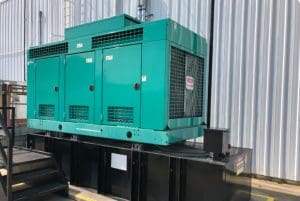


K-12 facility leaders rarely have the luxury of a large capital budget. Roof replacements, boiler failures, and bus fleet needs compete for the same dollars as classroom supplies and staff salaries. Energy projects often get postponed because the upfront cost looks too large, even when the long-term savings are clear. Yet school energy upgrades case study examples from around the country point to another path. Districts can lower energy use, trim operating expenses, and improve the learning environment without waiting for a capital windfall and without adding debt to the balance sheet.
The Budget Reality for School Districts
Most districts feel pressure from two directions at once: aging buildings that consume more energy every year and operating budgets that tighten as enrollment shifts and costs climb. A schools workshop recap published by USGBC in 2025 highlighted a series of district case studies showing how schools across the country are completing retrofits and renovations despite tight budgets. The common thread is not a sudden increase in funding. It is smarter project structure and access to financing models that fit the way schools actually budget.
Energy efficiency in this context becomes an operating decision rather than a capital project that waits years for approval. When the savings from an upgrade can cover the cost of the work over time, the project no longer needs to sit at the bottom of a capital wish list.
What Real School Energy Upgrades Case Studies Show
Real projects, not theory, provide the strongest evidence that school energy upgrades work. Several published case studies illustrate how different schools approached efficiency, which measures they installed, and the results they achieved. Each one offers a useful lesson for districts developing their own plans.
Southern California Charter Schools Used State Funding
The Center for Sustainable Energy assessed Southern California charter schools to determine their energy-efficiency potential and then secured state funding for the upgrades. This example matters for districts that assume grants and incentives are unavailable or too complicated to pursue. An outside assessment can identify projects with the strongest returns, and state funding can cover the cost without touching the district’s general fund. It also shows the value of bringing in a partner who understands how to structure applications and meet program requirements.
One District Found $22,000 in Annual Savings From a Short Trial
A US school district ran a short trial of an energy insights solution called Panoramic Power. The published case study credits the trial with helping the district save about $22,000 a year by pinpointing which equipment and devices were wasting energy. Once leaders knew where the waste was happening, they could take action. The lesson transfers easily to any district: measurement comes before savings. A facility team cannot manage energy use it cannot see, and even a short monitoring period can expose quick wins that fund larger projects later.
HVAC and Lighting Upgrades Delivered $260,000 in Less Than Seven Years
One K-12 case study documented high-efficiency HVAC and lighting upgrades that helped a school realize more than $260,000 in energy savings in less than seven years. HVAC and lighting are consistently the largest energy loads in school buildings, which makes them the first place to look when budgets are tight. Upgrading both together shortens the payback window and creates a more comfortable environment for students, teachers, and support staff. The project also demonstrates that savings can be substantial even when the work is completed in phases.
Insulation and Window Replacement Offer Another Route
A 2024 academic study examined the energy efficiency of school buildings through thermal insulation and window replacement. Using cost-benefit analysis and energy simulations, the research showed measurable efficiency gains from building envelope work. Lighting and HVAC tend to get the most attention in school energy discussions, but the building envelope matters just as much. For districts in older facilities, adding insulation and replacing inefficient windows can reduce heating and cooling demand while improving comfort and reducing noise.
Universities Face the Same Challenge
Queens University in Charlotte provides a related higher-education example. The university needed to replace critical equipment required to reliably deliver energy to campus buildings. It chose to add LED lighting and water efficiency measures to the project in order to achieve even greater energy savings and carbon reductions. The lesson for K-12 districts is transferable: bundle necessary replacements with efficiency upgrades to maximize the value of every dollar spent on construction and installation.
The Funding Problem: Capital Outlay vs. Monthly Savings
Capital projects in school districts compete for limited bond capacity and voter-approved funds. When a project is left out of the capital plan, it can be delayed for years. Even when the savings are obvious, a district may not have the cash to write a large check at once. A 2013 guide from Lawrence Berkeley National Laboratory, Financing Energy Upgrades for K-12 School Districts, walks through the financing options available to schools and provides case studies of six districts. The guide confirms that many routes exist beyond the traditional capital outlay model.
That is where the concept of paying from savings becomes attractive. Instead of asking voters for a bond or pulling millions from reserves, a district can enter into an arrangement where the energy savings generated by the upgrades cover the cost of the equipment and installation over time.
Energy Savings as a Service: No Capital, No Debt
One model that fits the budget reality of schools is often called Energy Savings as a Service. Onsite Utility Services Capital provides this structure for commercial, institutional, and municipal facilities, including schools. The model funds turnkey upgrades across lighting, HVAC, power optimization, water conservation, and other efficiency measures. The district pays over time from verified savings rather than funding the entire project upfront.
The appeal of this structure is the removal of financial risk. There is zero capital outlay, no new debt, and maintenance is included as part of the service. Payments are tied to energy savings that are actually verified, so the district is not left paying for equipment that fails to perform. For a facility director explaining options to a school board, that structure is easier to defend than a request for millions in bond funding with uncertain results.
Comparing Funding Paths for School Energy Upgrades
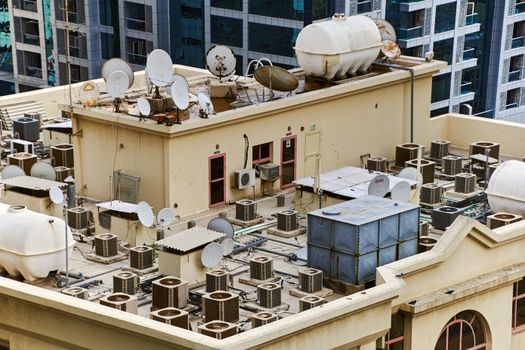
Districts evaluating their options will find that the main differences come down to upfront cost, debt impact, and who carries the risk if savings fall short of projections.
| Funding Path | Upfront Cost | Debt Impact | Risk to District |
|---|---|---|---|
| Traditional capital budget or bond | District pays the full project cost | No new debt, but funds are shifted from other projects | District carries the risk if savings are lower than expected |
| State grants and incentive programs | Little or none if the grant is awarded | No new debt | District must meet eligibility rules and reporting requirements |
| Energy Savings as a Service | None, the provider funds the work | No new debt | Provider carries performance risk because payments are tied to verified savings |
The right path depends on the district’s financial condition, the age of its buildings, and the urgency of the upgrades. Many districts combine approaches, using grants for eligible measures while turning to a savings-based service model for the rest.
What Facility Leaders Should Look For in an Energy Partner
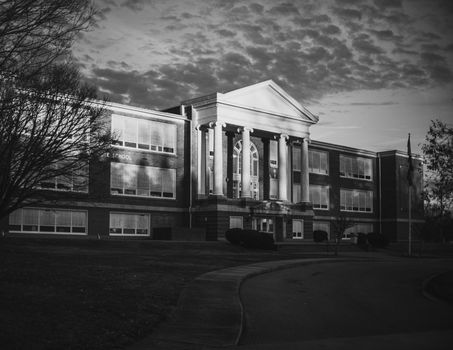
The school energy upgrades case study examples above share several success factors. Districts need an accurate baseline of current energy use before any equipment is replaced. They need a prioritized list of upgrades based on the building’s actual conditions, not a one-size-fits-all sales pitch. And they need a funding model that fits their legal and financial constraints.
A turnkey provider can handle the assessment, installation, maintenance, and reporting under a single contract. That matters for districts with small facilities teams. Outsourcing the work to a specialist keeps internal staff focused on students and instruction while the energy project runs on its own savings. Districts should also ask how savings will be measured and verified before signing any agreement.
Frequently Asked Questions
What is a school energy upgrades case study?
A school energy upgrades case study documents how a district or school reduced energy use through equipment upgrades, building improvements, or operational changes. These studies typically show which measures were installed, the investment involved, the savings achieved, and the funding method used. Facility leaders can use them to judge whether a similar project would make sense in their own buildings and how long it might take to pay off.
How can a school district fund energy upgrades without a capital outlay?
Districts can pursue state grants, as the Center for Sustainable Energy did when it secured state funding for Southern California charter schools. They can also use performance-based contracts where project costs are repaid from verified energy savings. Energy Savings as a Service models eliminate upfront capital and new debt because the provider funds the work, and the district pays over time from measured savings.
Which types of upgrades save the most energy in schools?
Lighting and HVAC upgrades appear most often in school energy upgrades case studies because those systems dominate energy use in school buildings. One K-12 project combined high-efficiency HVAC and lighting upgrades and achieved more than $260,000 in savings in less than seven years. Thermal insulation and window replacement also reduce heating and cooling losses, especially in older buildings with inefficient envelopes.
What risks do districts face with energy upgrade projects?
The main risks are overestimated savings, equipment performance shortfalls, and ongoing maintenance costs that reduce the financial benefit. Contracts that tie payments to measured and verified savings shift much of that risk to the service provider. Districts can also benchmark energy use before and after the project to confirm that the promised savings were actually delivered and that the equipment continues to perform well.